
Technology
Charity tournament funds Georgia youth homes and education
By Mohammed Ahsan
Advertisement · Why this ad?
James holds a Master's degree in Information Technology from Georgia Tech and has spent the last 10 years reporting on tech trends and innovations for publications like TechCrunch and Georgia Public Broadcasting. His expertise in technology allows him to break down complex subjects for a wider audience.
More from James →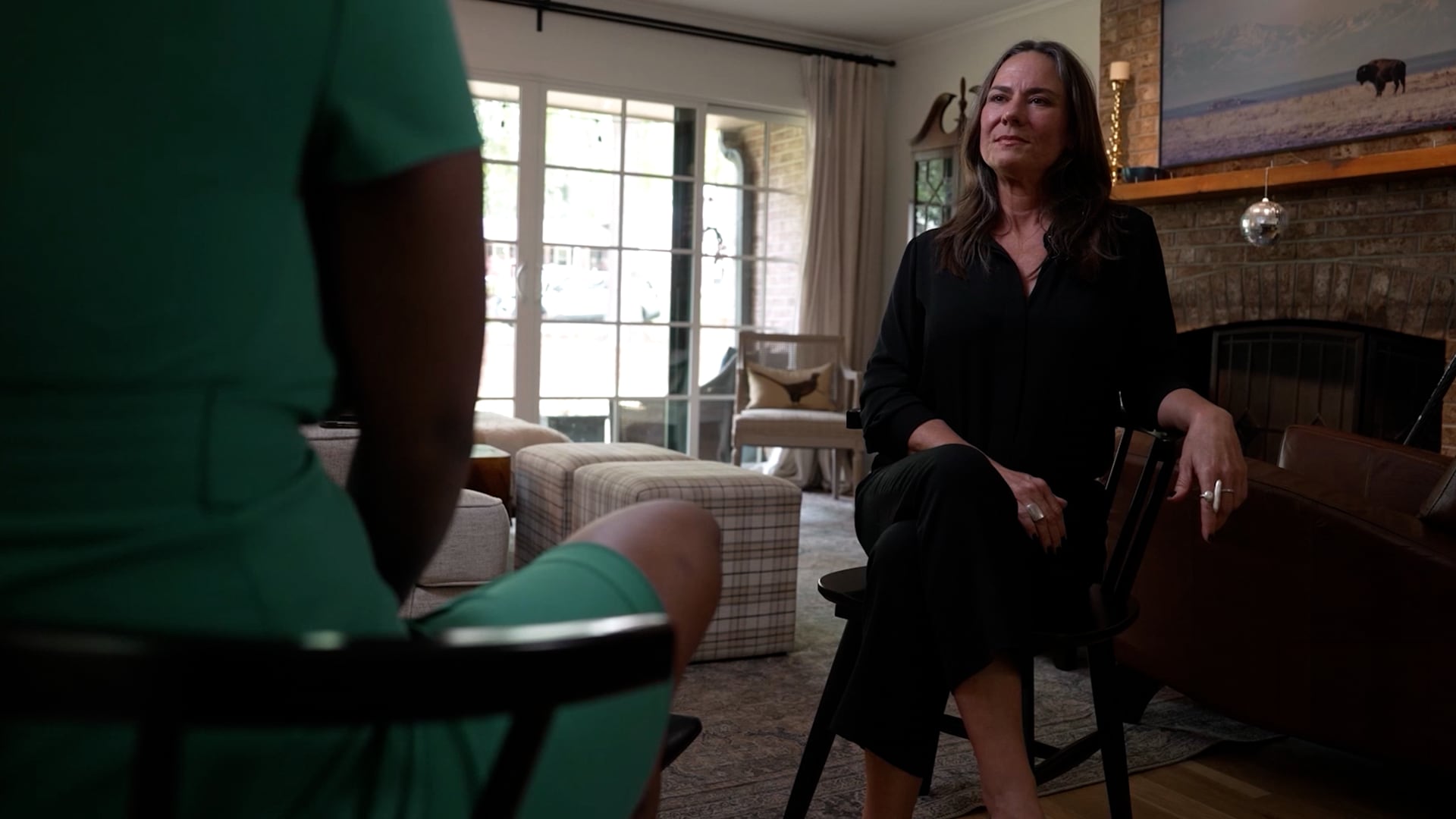
Share Add Us On Google Add as a preferred source on Google ATLANTA, Ga. ( InvestigateTV ) - An Atlanta mother checked into the hospital for a hysterectomy, expecting to be home from that same day. Instead, she didn’t leave for nearly three months. Star Button had persistent pain and excessive bleeding for years. The chronic issues interrupted every part of her life, including work. Doctors confirmed the issues stemmed from fibroids, or noncancerous tumors. To get rid of them, Button opted for a robotic hysterectomy at Southern Regional Medical Center . The procedure surgically removes the uterus. What a robotic hysterectomy is A robotic hysterectomy is considered the least invasive and quickest for recovery because doctors use the device to make very small incisions in the abdomen. Once inside, the robot’s tiny arms are controlled by the surgeon who is standing feet away. “I wasn’t actually going to the hospital initially thinking I was going to be a resident in its ICU following this procedure,” Button said. Photos documented Button’s journey of days in a coma and nearly three months awake in the ICU battling blood loss and infections. Button is now suing both Southern Regional Medical Center and the physician, Dr. Beverly Love, for negligence. The lawsuit alleges the hospital failed to maintain its equipment and the doctor “failed to exercise degree of care and skill.” The lawsuit also claims Dr. Love wrongfully removed her right ovary. An expert hired by Button’s attorneys to review the case wrote the incident required doctors to “recognize and treat active bleeding” but they “failed to adhere to standard of care.” Although Dr. Love has since passed, lawyers for his estate deny all wrongdoing, blaming Button’s own medical history for complications. Surgeon describes technical challenges and conversion mid-procedure In cellphone video recorded after the procedure, Dr. Love told Button’s husband about issues during surgery. “Well, what happened was we had some technical challenges and I couldn’t manipulate the uterus the way I wanted to so I couldn’t really get to the blood vessels the way I wanted to so I said uh…we just converted to just going straight taking it out through the vagina and we stopped the robot," Dr. Love said. Button said the robot used was the Da Vinci , a robotic surgical system that has been used in millions of various surgical procedures globally. However, Da Vinci and its manufacturer, Intuitive Surgical , are not mentioned or named as a defendant in the lawsuit. From 2016 to 2025, Atlanta News First Investigates uncovered at least 434 “adverse events” — like death, injury, or malfunctions — reported to the U.S. Food and Drug Administration (FDA) related to any Da Vinci device used in any surgery. At least 49 of those reports specifically involved devices used in hysterectomies. The Da Vinci device has been used in millions of various surgical procedures globally. Manufacturer emphasizes safety record, notes limits of FDA database “Patient safety is our highest priority,” an Intuitive Surgical company spokesperson said. “More than 20 million procedures have been performed globally using Da Vinci systems. The safety and effectiveness of our systems are supported by more than 48,000 peer‑reviewed publications, which, in aggregate, demonstrate positive clinical outcomes for patients." The FDA maintains a database that tracks adverse events involving medical devices. “As the FDA itself recognizes, reports in the database have significant limitations and are not intended to evaluate device-related adverse event rates or establish causality between use and a potential injury,” the spokesperson said. Dr. Love practiced for more than 40 years. Although he was in good standing with the Georgia Composite Medical Board , the agency said there was no medical malpractice insurance on file for him. Malpractice insurance protects both doctors and patients who want to seek financial damages, but Georgia does not require doctors to carry it. Only seven states currently mandate it: Colorado, Connecticut, Kansas, Massachusetts, New Jersey, Rhode Island and Wisconsin. “I need insurance to drive my car,” Button said. “But with the hospital, in that sense, when it crashed and burned, they started pointing fingers.” OBGYN: robot can be safer, but surgeons must be ready without it Dr. Timothy Cowthorn said his local hospital required him to carry medical malpractice insurance to operate at its facility. Cowthorn is not connected to Button’s case, but the OBGYN just completed his 1,000th robotic hysterectomy. Asked whether the robot adds risk, Dr. Cowthorn said that even if it malfunctioned, he would still have to complete the surgery, so he must be prepared to operate without it. With his experience at a local hospital and his private practice at Greystone, Dr. Cowthorn said the device transformed healthcare. “These cutting instruments, which on the robotic arms are wristed so they can turn like your wrist of your own hand,” he said. “Going to the platform or going to the console where we manipulate those instruments is literally like being inside a patient. To me, it’s safer. “Not only is it more precise, but I have less complications and less infections. Over the years, this has been one of the greatest technologies for women.” What Button wants now: damages and policy change Button’s complications didn’t stop when she left the hospital. She said the medical bills eventually forced her out of her home; the long recovery cost her job; and her marriage did not survive the ordeal. Button described the ordeal as devastating, and said the severe PTSD, health issues, and ongoing sepsis have made it an uphill battle to rebuild her life. Button is hoping her lawsuit does more than recover damages. She wants it to change how hospitals protect patients and how Georgia protects them from doctors without insurance. She started a fundraiser to help with legal costs. Southern Regional Medical Center declined to answer questions about insurance requirements and what happened in this case. “Our focus remains on providing high-quality, compassionate care and serving the patients and communities who rely on us every day,” it said. “Due to pending litigation, we are not able to comment on this matter.” Attorneys for Dr. Love’s estate did not respond to requests for comment. Copyright 2026 Gray Media Group, Inc. All Rights Reserved.
By Mohammed Ahsan
By James Ramirez

By James Ramirez

By James Ramirez